Every discussion of the future of computation eventually arrives at the same unglamorous destination: power. Not metaphorical power — kilowatts, transmission lines, substations, land rights, and the long permitting battles that decide where the future is physically allowed to exist.
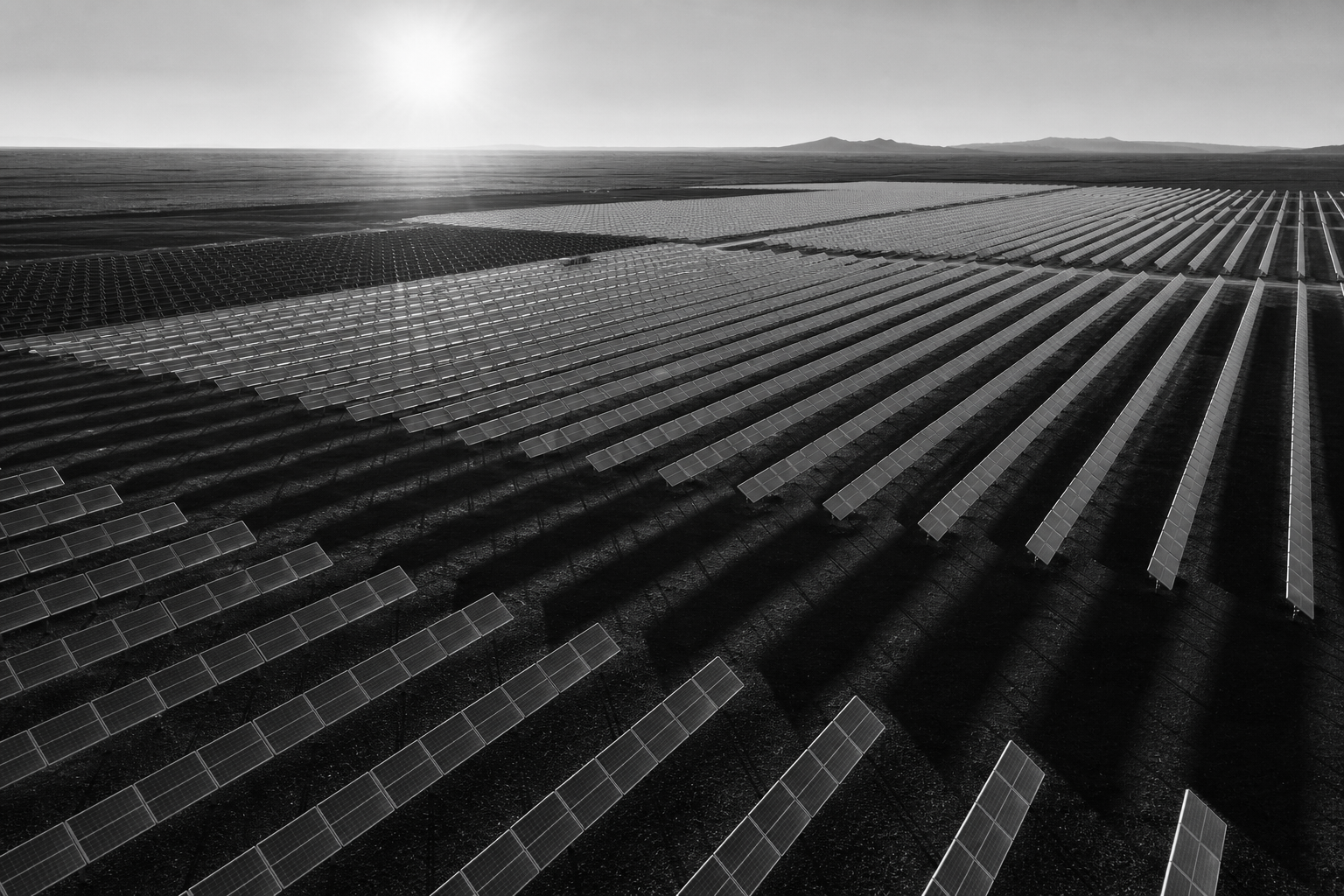
The AI race has made this visible. Training runs that once drew modest loads now consume the output of small cities, and the constraint on progress is increasingly not algorithms or capital but electricity. The result is a quiet infrastructure race unfolding far from the product launches — in solar fields, grid-scale storage, and the unglamorous mathematics of transmission.
India’s position in this race is more interesting than the headlines suggest. A grid still being built is, paradoxically, an advantage: it can be designed around the loads of the future rather than retrofitted to them.
The builders paying attention to energy today are making a simple bet — that the next era of technology will belong not to whoever has the best models, but to whoever has the most reliable electrons. It is not a glamorous thesis. It is, almost certainly, the correct one.